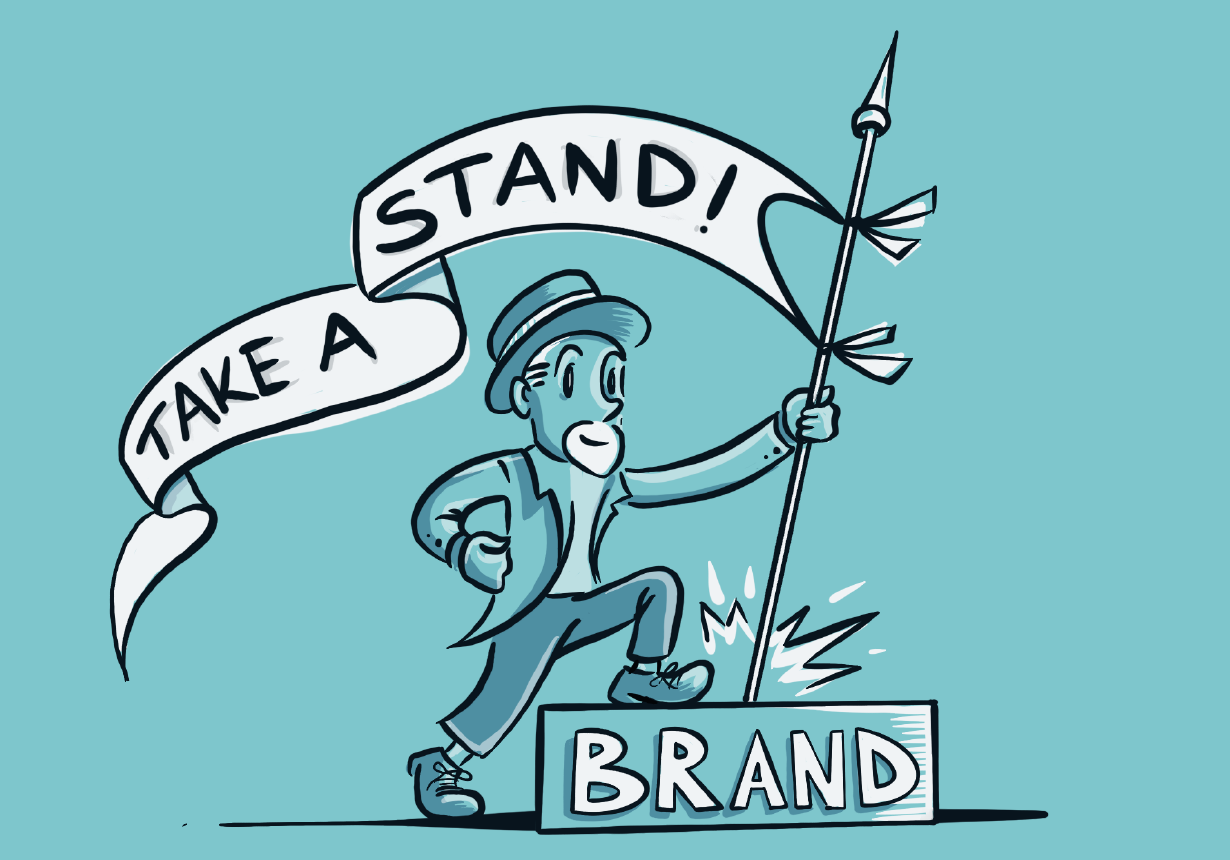
Where do you stand?
You might not realize it, but you align yourself with brands that reflect your own preferences. Think about it. I choose what to buy based on how I feel about the brand. I feel good about supporting companies that support my causes. And I want my friends to support them too. It’s my natural affinity to be attracted to things that are familiar.
Think you’re a free thinker?
Think again.
Communications are rapidly evolving into extremely sophisticated media outlets. Broadcasting is being replaced with narrowcasting that delivers carefully crafted messages targeted to specific behavioral profiles. Ethical and moral dilemmas about what’s right and wrong are visibly illustrated in social media, fanning the flames of passion using classic propaganda techniques. The result is accelerating the need to act, share, and purchase. There’s a new sense of urgency.
It’s all happening very quickly. Consumers don’t have enough time to develop the maturity to detect what’s opinion versus news. Savvy marketers are exploiting these conditions to increase awareness through the viral spread of information. Ideas move quickly thanks to everyone’s interconnected social networks.
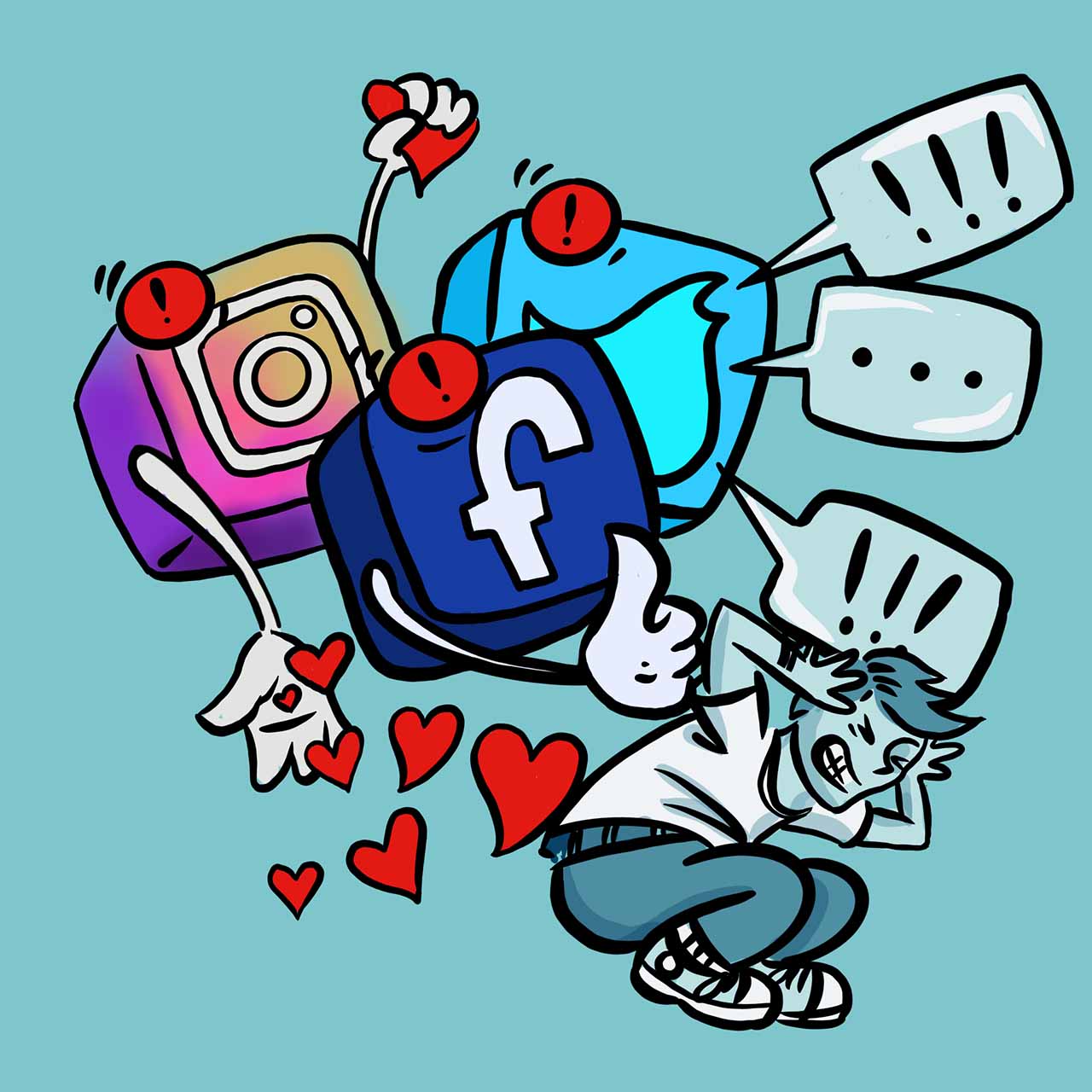
Wait. There’s more.
Disruptive technologies in artificial intelligence, facial recognition, and automation are reshaping global job markets. It’s adding to an overall sense of uncertainty. Is my job safe? What skills do I need? Am I being tracked?
Lawmakers are unable to develop policy to protect consumers against inaccuracies and misleading tactics. They are relying on technology platforms to do this themselves. The wolves are guarding the henhouse! The result is that public trust in government and institutions is waning as they fail to solve these major challenges. Their trust is moving to brands.
Brands are taking stands.
Taking a stand may divide your audience, but it will increase the loyalty of your true believers. As people weigh in on controversial issues, you can seize an opportunity to gain closeness with new followers.
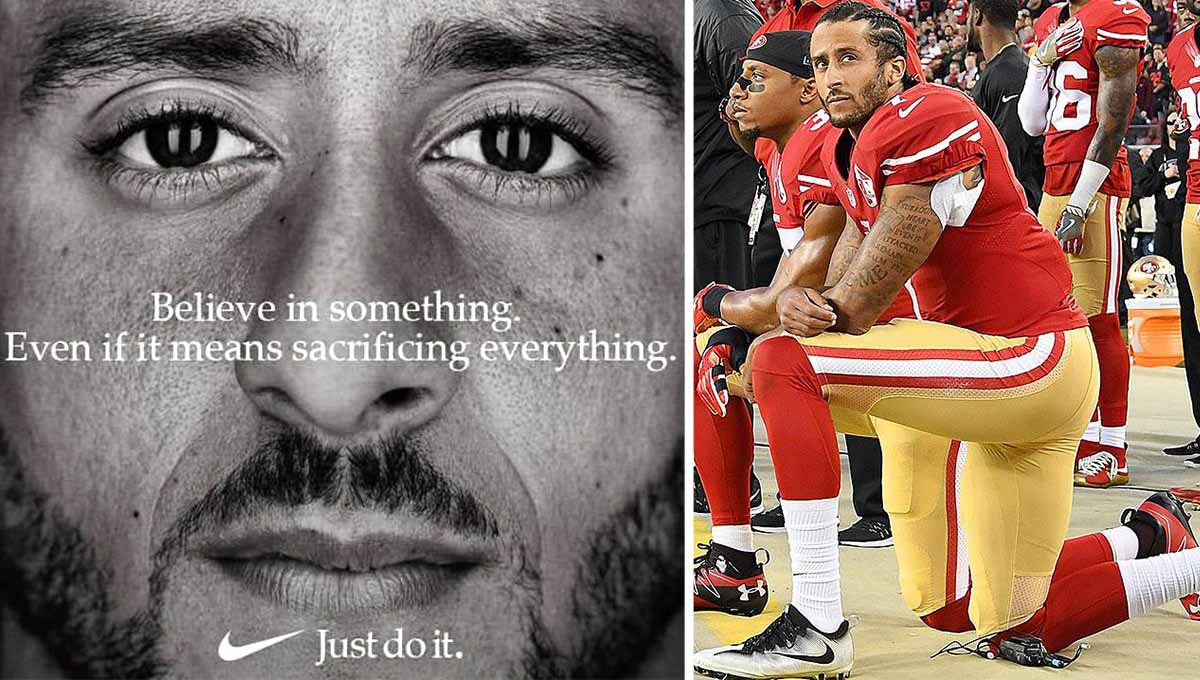
Nike aligned with Colin Kaepernick, who took a knee during the NFL’s national anthem to bring awareness to racial inequality. The move ignited President Trump’s passion, who tweeted mean-spirited accusations of anti-Americanism. The NFL followed suit in an attempt to preserve their patriotic alignment. But Nike’s stance on the issue landed them in the public spotlight and forged a bond of loyalty with the athletes themselves, many who identified with Kaepernick. In the end, Nike and Kaepernick emerged as heroic for their courage, boosting their perception with their core audience.
How will your brand stand up?
 Choose Wisely

The collision of culture and politics creates a tricky playing field for brands. Choose your stance with intelligence. Do your research.
Have Courage

Be prepared for opposing opinion. Taking a stance requires a spine, so it’s natural to have vocal opposition. Great brands aren’t for everyone, they’re optimized for a select niche.
Speak Your Truth

Take a stand that feels right to you, not what you think your market wants. It’s natural to take a position that you believe, rather than simply echo something that’s not authentic.
Brands that sit on the fence will lose out to those that take stands on causes that resonate with their advocates and employees. It’s an invitation to enter important conversations that are already happening. Sustainability. Equality. Racism. Find the cause that’s real for you.
Then take a stand.
//Jamie Schwartzman